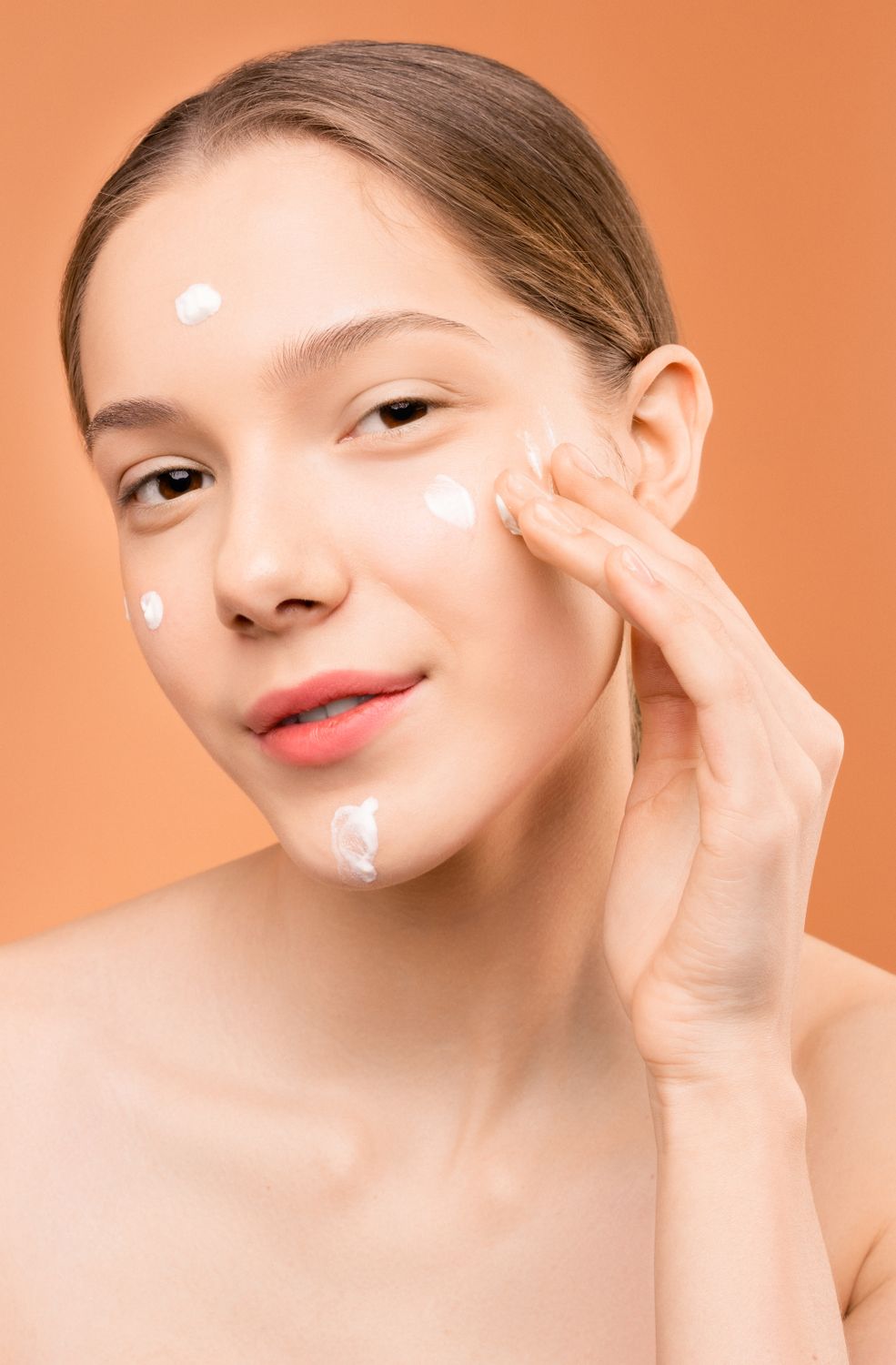
Niacinamide: The One Ingredient Almost Every Skin Type Is Missing
Introduction
If there’s one ingredient that dermatologists and skincare enthusiasts keep coming back to, it’s niacinamide. This unassuming, water‑soluble form of vitamin B3 has quietly earned a reputation as a true multi‑tasker: it helps strengthen the skin barrier, calms inflammation, evens tone, reduces excess oil, and supports skin repair. Whether your skin is oily, dry, sensitive, pigmented, acne‑prone, or mature, niacinamide can be a beneficial, low‑risk addition to your routine. This article unpacks what niacinamide is, how it works on the skin at a biological level, and how to use it effectively so you can get the most from this powerful ingredient.
What is niacinamide?
Niacinamide (also called nicotinamide) is a stable, water‑soluble derivative of vitamin B3. In the body and in skin cells, it is a precursor to cofactors NAD+ and NADP+, which are essential for cellular energy production, DNA repair, and antioxidant defenses. Topically applied niacinamide penetrates the epidermis and interacts with multiple biological pathways that influence barrier function, inflammation, pigmentation, oil production, and cellular aging.
How niacinamide works: the dermatology behind the hype
Niacinamide’s usefulness stems from several distinct mechanisms of action that are supported by laboratory and clinical research:
- Improves barrier function: Niacinamide increases the synthesis of ceramides and other epidermal lipids, which strengthens the stratum corneum and reduces transepidermal water loss (TEWL). A stronger barrier helps skin hold onto moisture and better defend against irritants.
- Anti‑inflammatory effects: It reduces inflammatory mediators in the skin (helpful in acne, rosacea, and sensitive skin) and modulates immune responses in keratinocytes.
- Regulates pigmentation: Niacinamide inhibits the transfer of melanosomes (pigment granules) from melanocytes to keratinocytes, which leads to a reduction in uneven pigmentation and hyperpigmented spots over time.
- Sebum modulation: Topical niacinamide can reduce sebum excretion and pore congestion, likely via influence on sebocyte metabolism and epidermal lipid synthesis.
- Supports cellular energy and repair: By boosting NAD+ levels, niacinamide supports cellular metabolism, DNA repair, and oxidative stress defenses—processes that are important for healthy aging.
- Collagen support and texture improvement: Evidence shows niacinamide can help improve fine lines and skin texture, partly by supporting collagen synthesis and optimizing skin turnover.
Benefits for different skin concerns
Barrier repair and dry, sensitive skin
When your skin barrier is compromised, you feel dryness, tightness, stinging, and increased sensitivity. Niacinamide helps replenish epidermal lipids (especially ceramides) and reduce TEWL, so moisture is retained and sensitivity calms. Because it is generally well tolerated and non‑irritating, it’s a great option for reactive or barrier‑compromised skin.

Acne and oily skin
Niacinamide’s anti‑inflammatory properties reduce redness and inflammatory acne lesions. Clinical formulations (commonly around 4% concentration) have been shown to reduce sebum production and improve acne severity. It can complement other acne treatments by calming inflammation and strengthening the barrier, which helps reduce irritation from stronger actives.
Hyperpigmentation and uneven tone
Topical niacinamide reduces dark spots by blocking melanosome transfer, and clinical studies show visible improvement in hyperpigmentation with regular use. It’s effective as part of a broader approach to pigmentation (including sun protection and, when needed, stronger pigment‑targeting ingredients).
Aging and texture
By supporting NAD+ levels and reducing oxidative stress, niacinamide helps maintain cellular function. It also improves barrier health and encourages collagen synthesis indirectly, leading to smoother texture and a reduction in fine lines with consistent use.
Rosacea and inflammatory dermatoses
Because niacinamide calms inflammatory responses and reduces redness, it can be beneficial for mild rosacea and other inflammatory conditions. It’s not a cure for rosacea but can be a supportive, soothing element of a management plan.
Evidence and typical concentrations
Clinical studies evaluating topical niacinamide have used a range of concentrations. Common, evidence‑based ranges include:
- 2–5%: Widely used in serums and moisturizers for barrier support, hyperpigmentation, and anti‑aging benefits.
- 4%: Often cited in trials for reducing sebum and improving acne.
- 5%: Frequently used in topical studies for wrinkles and overall skin appearance.
- Up to 10%: Some formulations use higher concentrations; these can be effective but may increase the risk of irritation in sensitive individuals.
Most people see measurable improvement in barrier function and skin hydration within 2–4 weeks, and visible changes in pigmentation, texture, or acne typically emerge after 8–12 weeks of consistent use.
How to use niacinamide in your routine
Where it fits in the order

- After cleansing and (optional) toner, apply niacinamide serum.
- If using a lightweight niacinamide product, it goes on before thicker serums and moisturizers.
- Follow with moisturizer and sunscreen in the morning; at night, finish with moisturizer and any heavier treatments.
Niacinamide is water‑soluble, so it mixes well with many formulations and can be applied under oils and creams.
Combining with other actives
- Retinoids: Niacinamide pairs well with retinoids. It can help reduce retinoid irritation while complementing anti‑aging effects.
- Vitamin C (ascorbic acid): Old warnings that vitamin C and niacinamide “cancel each other out” or form nicotinic acid (which causes flushing) are based on outdated chemistry under extreme conditions. Modern formulations used together are generally safe. If you experience irritation, you can alternate them (vitamin C in the morning, niacinamide at night) or layer one at a time.
- AHAs/BHAs: Generally compatible. If using strong acids that cause stinging or redness, separate by time (acid in the evening, niacinamide in the morning or later that evening) or use on alternate days until your skin tolerates both.
- Sunscreen: Niacinamide complements sunscreen — it helps mitigate some UV‑induced inflammation and supports repair, but it is not a sunscreen itself. Always use daily broad‑spectrum SPF.
How often to use it
Most people can use niacinamide once or twice daily. Start with once daily if you have sensitive skin, then increase to twice daily as tolerated. Patch testing a new product on a small area for 48 hours is a good precaution.
Formulations and product types
Niacinamide is available in serums, creams, moisturizers, toners, and essences. Serums often contain higher concentrations and deliver the ingredient more directly, while moisturizers combine niacinamide with lipids for enhanced barrier support.
Safety, side effects, and special considerations
- Tolerability: Niacinamide is well tolerated by most people. Side effects are uncommon but can include mild stinging, redness, or occasional breakouts when first introduced.
- Irritation at high concentrations: Very high concentrations (above ~10%) may increase the chance of irritation. If irritation occurs, reduce frequency or concentration.
- Pregnancy and breastfeeding: Niacinamide is considered safe during pregnancy and breastfeeding in topical use. As with any ingredient, consult your healthcare provider if you have specific concerns.
- Patch test: Always patch test a new product, especially if you have sensitive or reactive skin.
- Not a replacement for sunscreen: Niacinamide can reduce pigment formation and aid repair, but it does not block UV rays. Daily SPF remains essential.
Common myths and clarifications
- “Niacinamide and vitamin C can't be used together.” This is a persistent myth. Modern evidence shows they can be used together safely and may be complementary. If irritation occurs, separate them by time or use different routines (AM vs PM).
- “Niacinamide causes flushing.” This comes from confusion with nicotinic acid (a different form of vitamin B3) which can cause flushing when taken orally at high doses. Topical niacinamide does not cause that flushing effect.
- “More is always better.” Higher percentages can increase efficacy for some outcomes, but they may also raise the risk of irritation. Effective results are common at 2–5% for many uses.
Practical takeaways
- Why many skin types are "missing" niacinamide: It addresses common universal needs—barrier support, inflammation control, pigment regulation, sebum modulation, and cellular repair—making it useful across oily, dry, sensitive, and mature skin.
- Start with 2–5%: This range delivers benefits for most concerns with low risk of irritation.
- Apply after cleansing and before heavier creams: Use niacinamide serum or a niacinamide‑containing moisturizer once or twice daily.
- Pairing with other actives: Safe with retinoids, vitamin C, and acids; if irritation occurs, separate by time or alternate days.
- Expect timeline: Hydration and barrier improvements can appear within 2–4 weeks; acne, pigmentation, and texture improvements typically need 8–12 weeks of consistent use.
- Safety: Well tolerated, safe during pregnancy, and low risk of interaction with other topicals. Patch test new products if you have sensitive skin.
Conclusion
Niacinamide earns its place as a near‑universal skincare ally because it supports fundamental skin health processes that matter to virtually every skin type: a resilient barrier, controlled inflammation, balanced oil production, and more even pigmentation. It’s scientifically versatile, generally gentle, and easy to incorporate into existing routines. Whether you’re building a minimalist lineup or layering advanced actives, niacinamide is the kind of ingredient that fills multiple gaps without adding complexity. With regular, consistent use at appropriate concentrations, it can be the missing piece that helps skin look and feel healthier, calmer, and more even.